
A Founder’s Complete Guide to Budgeting, Trade-Offs, and Smart Decisions
Building an app in Nigeria is often presented as cheap, fast, and straightforward. In reality, it is none of those things if the product is meant to survive real users, scale, or attract investors.
This guide explains what app development actually costs in Nigeria, why pricing varies so widely, and how founders should think about budgeting if they want a product that works—not just one that launches.
1. Why App Pricing in Nigeria Feels Confusing
Most founders hear wildly different figures because “an app” is not a single product category.
A logistics MVP, a fintech wallet, a social platform, and a booking app may all be called “apps,” but they sit in completely different cost classes.
Pricing confusion comes from:
- Undefined scope
- Feature creep
- Comparing freelancers to product teams
- Ignoring long-term costs
- Focusing on launch instead of lifecycle
The moment you understand that apps are systems, not screens, pricing becomes clearer.
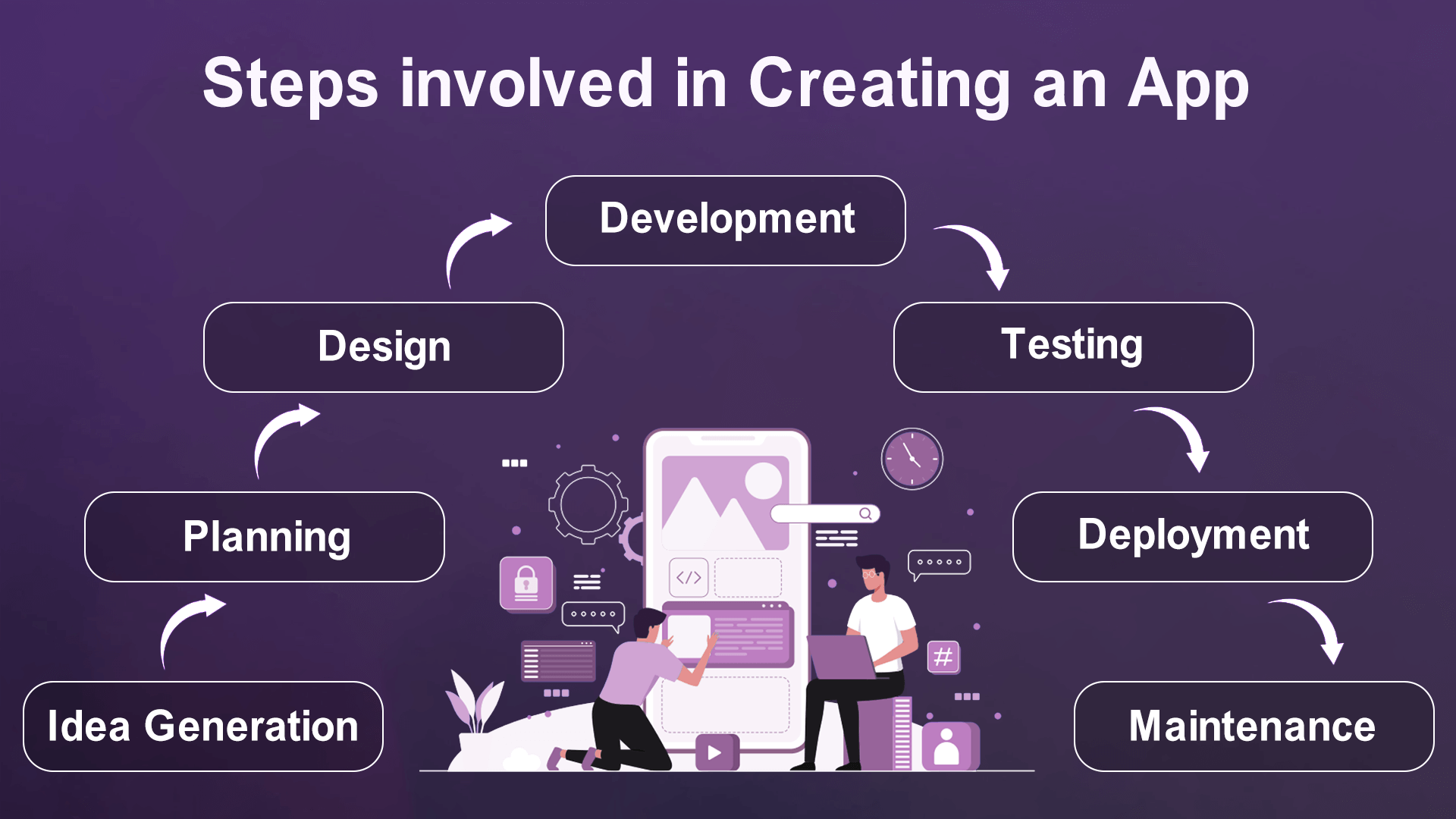
2. The Core Components That Determine App Cost
Every app—regardless of size—is made up of the same core layers. The difference is how complex each layer becomes.
2.1 Product Strategy & Planning Often skipped, always paid for later. Includes:
- Feature definition
- User journeys
- Technical architecture decisions
- MVP vs full product decisions
Skipping this phase reduces upfront cost but increases rebuild risk.
2.2 UI/UX Design Good design is not decoration—it is behavior engineering. Cost increases with:
- Number of user roles
- Number of screens
- Custom interactions
- User research and testing
Low-cost apps usually reuse templates. High-quality apps design from first principles.
2.3 Frontend Development (Mobile/Web) This is what users see and interact with. Cost depends on:
- Android only vs iOS only vs both
- Cross-platform vs native
- Animations and responsiveness
- Offline functionality
- Accessibility standards
2.4 Backend Development (The Real Cost Center) This is where most founders under-budget. Backend includes:
- Databases
- APIs
- Authentication
- Business logic
- Notifications
- Admin panels
- Role management
- Logs and monitoring
If your app handles payments, sensitive data, multiple users, or real-time updates, your backend cost will dominate the budget.
2.5 Integrations & Third-Party Services Examples:
- Payment gateways
- SMS/Email providers
- Maps
- Identity verification
- Analytics
- Cloud services
These add both development cost and recurring operational cost.
2.6 Quality Assurance & Testing Often ignored in cheap builds. Proper QA includes:
- Functional testing
- Device testing
- Edge-case testing
- Regression testing
Without QA, your users become your testers.
3. Realistic App Cost Ranges in Nigeria (What You Actually Get)
₦1M – ₦4M: Prototype / Learning Build What you get:
- Very limited functionality
- Basic UI
- Minimal backend
- Often no proper testing
- Not scalable
Use case: Concept testing, demos, internal tools Risk: Almost always rewritten
₦5M – ₦10M: MVP (Validation Stage) What you get:
- Core features only
- Acceptable UI/UX
- Single platform or cross-platform
- Basic admin functionality
Use case: Market validation, early adopters, pitching investors Limitations: Scaling requires refactoring, security is basic
₦10M – ₦20M: Growth-Ready Product What you get:
- Clean architecture
- Solid backend
- Admin dashboard
- Scalable foundation
- Proper testing
- Better UX
Use case: Monetized products, serious startups, long-term roadmap This is the sweet spot for founders building real businesses.
₦25M – ₦50M+: Enterprise-Grade Systems What you get:
- Advanced security
- Scalable cloud architecture
- Multiple environments (dev, staging, production)
- Compliance readiness
- Performance optimization
- Long-term maintainability
Use case: Fintech, marketplaces, platforms handling large transaction volumes, corporate-backed products
4. The Hidden Costs Most Founders Miss
These costs are rarely mentioned upfront but always show up later.
4.1 Maintenance & Updates Apps are not “done” after launch. Expect:
- Bug fixes
- OS updates
- Feature improvements
- Security patches
Annual maintenance typically costs 15–30% of the initial build.
4.2 Infrastructure & Hosting Monthly costs include:
- Servers
- Databases
- Storage
- CDN
- Monitoring tools
These scale with usage.
4.3 Product Iteration User feedback changes everything. Most successful apps pivot features within the first 6 months.
4.4 Team Dependency If only one developer understands the system, you carry operational risk. Cheap builds often lack documentation and handover.
5. Why “Cheap” Apps Become Expensive
Founders who optimize only for lowest price usually face:
- Poor performance
- Security vulnerabilities
- Inability to scale
- Complete rewrites
- Loss of early users
The most expensive app is the one you have to rebuild.
6. How to Budget Smart as a Founder
Instead of asking: “How much does it cost to build an app?”
Ask:
- What problem must this app solve first?
- What can wait?
- What must never break?
- What happens if this app scales 10×?
Budget for:
- A strong MVP foundation
- Gradual feature rollout
- Maintenance and iteration
7. Final Truth Every Founder Should Accept
An app is not a one-time expense. It is a long-term product investment.
If your app is central to your business:
- Under-investing is riskier than over-investing
- Speed without structure is dangerous
- Clarity beats assumptions

Next Step: Get a Personalized Cost Breakdown
Every app is different. Generic pricing ranges only go so far.
If you want clarity on what your specific idea will cost, what can be built first, and what should wait, we offer a free 1-hour product consultation.
During this session, we will:
- Break down the realistic cost of building your app
- Help refine your idea into a buildable, investor-ready product
- Identify unnecessary features that inflate cost
- Highlight technical decisions that affect long-term scalability
- Expose you to startup accelerator programs that support founders in raising up to $500,000 in funding for approximately 7% equity
This is not a sales call. It is a strategic product session designed to help you avoid expensive mistakes and position your startup correctly from day one.
If you are serious about building an app the right way—and potentially raising capital to scale it—this is the best place to start.
Send us a message on WhatsApp at +234 9063 939 859 or send us an email at Hi@pejuldigitalagency.com to request your personalized breakdown and book your free 1-hour consultation.